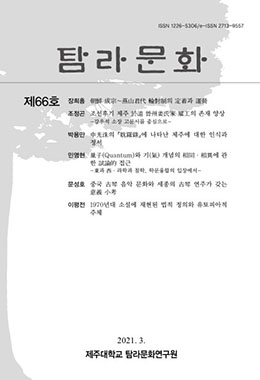
이 논문은 1970년대 조세희, 윤흥길, 황석영의 일련의 작품을 검토하면서 이들의 법적 정의에 대한 의식의 저류에 있는 유토피아적 주체의 욕망과 디스토피아적 현실 세계의 사유과정을 살피고 있다. 법을 통한 유토피아의 실현을 욕망했던 계급적 주체의 서사는 보편적·추상적 수준에서 제시되는 법적 정의를 낯설게 만들고 독자들 자신의 주관과 가치로서 그것을 재해석할 수 있게 한다.
조세희의 「난장이가 쏘아올린 작은 공」, 윤흥길의 「아홉 켤레의 구두로 남은 사내」, 황석영의 「객지」는 노동계급의 정체성을 확인하고 반공 이데올로기로 무장한 법적 권위에 저항한다. 그것은 미시적이면서 구체적인 어떤 법적 권력에 대한 직접적인 저항이라기보다는 법 그 자체에 대한 총체적 신뢰를 허물어뜨리면서 법체계 전반에 대한 불신을 보이거나 혹은 법과 불법의 경계 자체를 부정하면서 새로운 법의 존재를 예상하는 등 다양한 양태를 띤다.
이러한 차이에도 불구하고 1970년대 소설에서 법은 대체로 어떤 이상 세계의 유토피아적 비전을 실천할 수 있는 도구처럼 인식되지만 한편 주체의 법적 무지로도 볼 수 있다. 이 과정에서 소설 속 주체는 계급적 순응에 머물지 않고 법적 정의에 대한 확장된 인식을 요구하고 이러한 법적 정의의 실현을 위한 유토피아를 상상하기에 이르게 된다. 그런 점에서 조세희, 윤흥길, 황석영의 작품 전반을 지배하는 이른바 법적 정의에 기초한 도덕주의적 강박은 닫힌 프레임 속에서 자신의 문제의식을 지키려는 유토피아를 향한 주체의 사유에서 비롯한 것이라고 할 수 있다.
This thesis examines a series of works by Sehee Cho, Heunggil Yoon, and Seokyoung Hwang in the 1970s, examining the desires of the utopian subject and the process of thinking in the dystopian real world, which are undermined consciousness of their legal justice. The narrative of a class subject who desires to realize a utopia through law makes the legal definition presented at the universal and abstract level unfamiliar and allows readers to reinterpret it as their own subjectivity and values.
Cho Se-hee's “Small Balls Launched by a Dwarf”, Yun Heung-gil’s “A Man Who Remains with Nine Pairs of Shoes”, and Hwang Seok-young's “Destination” confirm the identity of the working class and resist legal authority armed with anti-communist ideology. It is not a direct resistance to certain legal powers that are microscopic and specific, but in various aspects, such as showing distrust in the entire legal system while destroying overall trust in the law itself, or anticipating the existence of a new law while denying the boundary between law and illegality itself. Takes.
Despite these differences, in 1970s novels, law is generally perceived as a tool that can implement a certain ideal world or utopian vision, but in reality it reveals the legal ignorance of the subject. In the process, the subject in the novel does not remain in class conformity, but demands an expanded awareness of legal justice and leads to imagining a utopia for the realization of such legal justice. In that sense, it can be said that the moralistic obsession based on the so-called legal justice that governs the overall work of Sehee Cho, Heunggil Yoon, and Seokyoung Hwang stems from the subject's thinking toward a utopia to protect his problem consciousness in a closed frame.